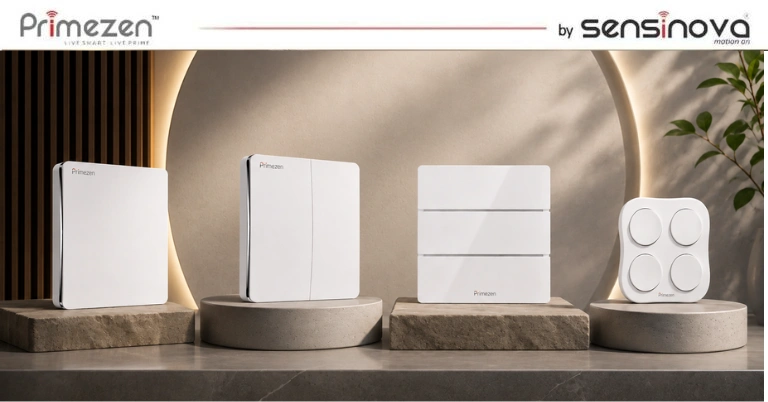
Imagine controlling your lights without replacing batteries or running electrical wiring. It may sound futuristic, but kinetic wireless switches make it possible today. These innovative switches generate their own energy every time you press them, offering a reliable, eco-friendly, and maintenance-free lighting solution.
Whether you’re building a new smart home or upgrading an existing one, battery-free wireless switches provide a convenient way to control lighting without the hassle of traditional installations.
In this guide, we’ll explain how kinetic switches work, their benefits, applications, and why they’re becoming the preferred choice for modern homes and commercial spaces.
What Is a Wireless Switch Without Battery or Wiring?
A wireless kinetic switch is a self-powered switch that doesn’t require batteries or electrical wiring to operate. Instead of relying on an external power source, it generates a small amount of electricity through kinetic energy when the switch is pressed.
This energy is sufficient to transmit a wireless signal to a receiver connected to your lighting fixture or electrical appliance.
The result is a completely maintenance-free switch that works without battery replacement or complex wiring.
How Do Kinetic Switches Work?
The technology behind kinetic switches is surprisingly simple yet highly effective.
Step 1: Pressing the Switch
When you press the switch, a tiny mechanical generator inside converts the physical movement into electrical energy.
Step 2: Energy Generation
This generated energy powers a built-in wireless transmitter for a fraction of a second.
Step 3: Wireless Signal Transmission
The transmitter sends a secure wireless signal to the receiver installed near the light, fan, or connected appliance.
Step 4: Receiver Controls the Device
The receiver receives the signal and instantly switches the connected electrical load ON or OFF.
Because the switch creates its own energy, no battery is required.
Components of a Kinetic Wireless Switch System
A typical battery-free wireless switching system includes:
- Kinetic wireless switch
- Wireless receiver module
- Lighting fixture or electrical appliance
- Power supply for the receiver
Only the receiver needs electrical power, while the wall switch remains completely battery-free.
Advantages of Battery-Free Wireless Switches
1. No Batteries to Replace
Traditional wireless switches depend on batteries that eventually drain.
Kinetic switches eliminate this problem completely, reducing maintenance costs and inconvenience.
2. No Electrical Wiring Required
Installing new wiring often means:
- Breaking walls
- Additional labor
- Higher installation costs
- Longer project timelines
Wireless kinetic switches can be mounted almost anywhere without rewiring.
3. Easy Installation
Installation usually takes only a few minutes.
You can mount the switch using:
- Adhesive tape
- Screws
- Surface mounting
No electrical modifications are required.
4. Environmentally Friendly
Since there are no disposable batteries, kinetic switches reduce electronic waste and contribute to sustainable living.
5. Flexible Placement
Because no wiring is needed, switches can be placed:
- Near beds
- Beside sofas
- At entrances
- Staircases
- Hallways
- Conference rooms
You can relocate them anytime without damaging walls.
6. Reliable Performance
Modern kinetic switches offer:
- Long wireless range
- Stable signal transmission
- Fast response time
- High durability
- Millions of press cycles
Where Can You Use Wireless Kinetic Switches?
Battery-free wireless switches are suitable for numerous applications.
Residential Homes
- Living rooms
- Bedrooms
- Kitchens
- Bathrooms
- Balconies
- Garages
Offices
Perfect for:
- Meeting rooms
- Workstations
- Reception areas
- Cabins
Hotels
Hotels use wireless switches because they simplify renovations while reducing maintenance.
Hospitals
Healthcare facilities benefit from flexible switch placement without disturbing existing wiring.
Warehouses
Large industrial facilities use wireless switches where installing electrical wiring is expensive or impractical.
Kinetic Switch vs Traditional Wireless Switch
Feature | Kinetic Wireless Switch | Traditional Wireless Switch |
Battery Required | ❌ No | ✅ Yes |
Wiring Required | ❌ No | Sometimes |
Maintenance | Very Low | Battery Replacement |
Installation | Quick | Moderate |
Eco-Friendly | Excellent | Moderate |
Battery Cost | None | Ongoing |
Lifespan | Long | Depends on Battery |
Why Homeowners Prefer Kinetic Switches
Modern homeowners appreciate solutions that combine convenience with energy efficiency.
Battery-free switches offer:
- Cleaner installations
- Flexible placement
- Lower maintenance
- No battery disposal
- Smart home compatibility
- Easy upgrades during renovations
These advantages make them an excellent choice for both new homes and retrofit projects.
Are Kinetic Wireless Switches Safe?
Yes.
High-quality kinetic switches use encrypted wireless communication to prevent interference and unauthorized operation. They also comply with industry safety standards, ensuring reliable performance in homes and commercial environments.
Always choose products from trusted manufacturers to ensure durability and compatibility.
Can Kinetic Switches Be Integrated with Smart Homes?
Many modern kinetic switch systems support integration with smart home platforms through compatible gateways or receivers. This allows users to control lights and appliances using mobile apps, voice assistants, or automation routines.
Depending on the system, they may work with technologies such as Wi-Fi, Zigbee, Bluetooth Mesh, or Matter, making them suitable for expanding smart home ecosystems.
Maintenance Tips
One of the biggest advantages is minimal maintenance.
Simply:
- Keep the switch clean.
- Avoid excessive impact.
- Ensure the receiver remains connected to power.
- Follow the manufacturer’s installation guidelines.
Since there are no batteries, there’s nothing to replace over the years.
Frequently Asked Questions
Can a wireless switch really work without batteries?
Yes. Kinetic switches generate electricity from the physical movement of pressing the switch, eliminating the need for batteries.
Does the receiver require power?
Yes. The receiver is connected to the electrical supply and controls the connected light or appliance. Only the wall switch operates without batteries or wiring.
What is the range of a kinetic switch?
The wireless range varies by manufacturer but typically ranges from 30–80 meters indoors and up to 150–300 meters in open spaces.
Can I install it myself?
Many battery-free wireless switches are designed for easy installation. However, the receiver should be installed by a qualified electrician if it requires connection to mains power.
Are kinetic switches suitable for renovation projects?
Absolutely. They are ideal for renovations because they eliminate the need to cut walls or install new wiring.
Conclusion
Battery-free wireless switches powered by kinetic energy are transforming the way we control lighting. By eliminating batteries and wiring, they provide a cleaner, smarter, and more sustainable solution for modern homes and businesses.
Whether you’re renovating an existing property or planning a new smart home, kinetic switches offer easy installation, low maintenance, and reliable performance. Their flexibility, durability, and eco-friendly design make them an excellent investment for anyone looking to simplify lighting control while embracing the future of smart automation.