Introduction
The way people interact with their homes is changing rapidly. Modern homeowners are moving beyond traditional electrical switches and adopting intelligent solutions that provide better comfort, convenience, and control.
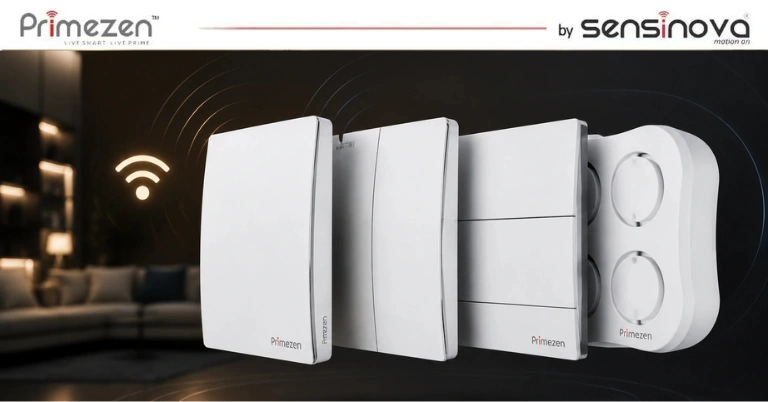
Wireless smart switches in India are becoming increasingly popular because they offer an easy way to automate homes without complicated wiring changes. These advanced switches allow users to control lights, appliances, and smart devices through mobile applications, voice commands, and automation systems.
Unlike traditional switches that only provide manual ON/OFF control, wireless smart switches connect with smart home ecosystems to create a more convenient and connected living experience.
The growth of smart home technology in India has increased demand for flexible automation solutions. Earlier, home automation was mainly considered suitable for luxury villas and premium properties. Today, wireless automation technology has made smart homes accessible for apartments, renovated homes, offices, and commercial spaces.
With technologies such as Zigbee, Wi-Fi, and RF communication, homeowners can easily upgrade their existing spaces without major structural modifications.
Wireless smart switches are becoming an important part of modern home automation because they combine:
- Easy installation
- Smart control
- Better flexibility
- Energy management
- Future expansion
What Are Wireless Smart Switches?
A wireless smart switch is an intelligent switching device that allows users to control electrical appliances and lighting without relying only on traditional wired connections.
These switches communicate wirelessly with a smart controller, gateway, mobile application, or automation system.
Users can control connected devices through:
- Smartphone applications
- Smart touch panels
- Voice assistants
- Automation schedules
- Smart scenes
Traditional Switch vs Wireless Smart Switch
Traditional switches require physical operation.
For example:
You walk to the switchboard → press the button → light turns ON.
A wireless smart switch allows:
Open mobile app → select device → light turns ON.
Or:
“Alexa, turn on bedroom lights.”
The system performs the action automatically.
How Do Wireless Smart Switches Work?
Wireless smart switches work by communicating with other smart devices through wireless protocols.
The basic process:
User Command
↓
Mobile App / Touch Panel / Voice Assistant
↓
Smart Controller or Gateway
↓
Wireless Smart Switch
↓
Electrical Device Control
Communication Technologies Used in Wireless Smart Switches
Different wireless technologies are used depending on the automation requirement.
1. Wi-Fi Smart Switches
Wi-Fi smart switches connect directly with home internet networks.
Advantages:
- Easy setup
- Smartphone control
- Remote access
- Voice assistant compatibility
Suitable for:
- Apartments
- Small homes
- Basic automation requirements
2. Zigbee Smart Switches
Zigbee is one of the most preferred technologies for professional smart home automation.
A Zigbee smart switch creates a reliable communication network between multiple smart devices.
Advantages:
- Low power consumption
- Stable connection
- Supports multiple devices
- Better scalability
Zigbee technology is commonly used in:
- Premium homes
- Villas
- Large automation projects
3. RF Wireless Switches
Radio Frequency-based switches communicate using wireless signals.
Benefits include:
- Easy installation
- No major wiring changes
- Flexible placement options
They are useful for:
- Retrofit projects
- Renovation homes
- Additional switch locations
Why Are Wireless Smart Switches Becoming Popular in India?
The Indian smart home market is growing because homeowners are looking for solutions that improve lifestyle and convenience.
Several factors are driving adoption:
1. Easy Installation
One of the biggest advantages of wireless smart switches is easier installation compared to traditional wired automation systems.
They are especially useful when:
- The house is already constructed
- Renovation work is limited
- Additional switches are required
2. No Major Wiring Changes
Traditional automation systems may require extensive electrical modifications.
Wireless solutions reduce this requirement.
This makes them suitable for:
- Existing apartments
- Rental properties
- Renovation projects
3. Affordable Smart Home Upgrade
Wireless smart switches allow homeowners to gradually upgrade their homes.
Users can start with:
- One room
- Lighting automation
- Smart controls
and expand later.
4. Growing Smart Home Awareness
Indian consumers are becoming more familiar with:
- Smart speakers
- Connected devices
- IoT technology
- Home automation
This awareness is increasing demand for intelligent switching solutions.
Benefits of Wireless Smart Switches
1. Convenient Smart Control
Wireless smart switches provide complete flexibility in controlling home devices.
Users can manage:
- Lights
- Fans
- Appliances
- Decorative lighting
from different control points.
2. Remote Access
One of the biggest advantages is remote control.
Example:
Forgot to switch off lights?
Simply open your smartphone application and turn them off remotely.
3. Smart Automation Scenes
Wireless smart switches allow users to create customized routines.
Examples:
Morning Scene
- Bedroom lights ON
- Curtains open
- Appliances activate
Evening Scene
- Garden lights ON
- Living room lighting adjusts
Night Scene
- Selected lights OFF
- Security activates
4. Energy Saving
Wireless smart switches improve energy efficiency through:
- Scheduling
- Automatic switching
- Smart sensors
- Usage control
Example:
Lights automatically turn OFF when nobody is present.
5. Better Interior Flexibility
Wireless solutions provide more freedom during interior planning.
They help avoid:
- Additional wiring
- Wall modifications
- Complex installation
Wireless Smart Switches vs Traditional Switches: Which One Is Better?
When upgrading a home, many homeowners compare wireless smart switches with traditional switches to understand which option provides better value.
Traditional switches have been reliable for many years, but they offer only basic manual control. Wireless smart switches introduce automation, remote access, and intelligent control features that match modern lifestyles.
Comparison Table
Feature | Wireless Smart Switches | Traditional Switches |
Control Method | App, voice, automation, manual | Manual only |
Installation | Flexible installation | Fixed wiring required |
Remote Control | Available | Not available |
Automation | Yes | No |
Scheduling | Yes | No |
Voice Control | Supported | Not supported |
Energy Management | Available | Limited |
Smart Home Integration | Yes | No |
Future Expansion | Easy | Limited |
User Experience | Intelligent | Basic |
Why Wireless Smart Switches Are Better for Modern Homes
Modern homes are becoming more connected. Homeowners now expect technology that can simplify daily activities and improve comfort.
Wireless smart switches provide benefits that traditional switches cannot offer.
1. Flexible Installation
One of the biggest advantages of wireless smart switches is installation flexibility.
Traditional electrical systems require fixed wiring locations. Once construction is completed, adding new switches can become difficult and expensive.
Wireless switches allow homeowners to:
- Add switches without major wiring changes
- Place controls where required
- Upgrade existing homes easily
- Modify automation layouts
This makes them ideal for renovation projects and completed homes.
2. Control From Anywhere
Wireless smart switches allow users to control devices remotely.
Examples:
Before reaching home:
- Turn ON entrance lights
- Start appliances
- Prepare the environment
While travelling:
- Check device status
- Switch OFF forgotten appliances
- Control lighting
Remote access provides convenience and peace of mind.
3. Integration With Smart Home Systems
Wireless smart switches can become part of a complete smart home ecosystem.
They can connect with:
- Smart touch panels
- Controllers
- Sensors
- Voice assistants
- Security systems
This creates a connected environment where different devices communicate with each other.
Applications of Wireless Smart Switches
Wireless smart switches are suitable for various residential and commercial applications.
1. Apartments
Wireless switches are ideal for modern apartments because they provide automation without major electrical modifications.
Common applications:
- Living room lighting
- Bedroom automation
- Smart fans
- Appliance control
2. Luxury Villas
Large homes often require advanced automation solutions.
Wireless switches help control:
- Multiple rooms
- Landscape lighting
- Outdoor areas
- Entertainment zones
- Security systems
They provide homeowners with complete control over large spaces.
3. Renovation Projects
Many homeowners want smart features but do not want to damage existing walls or wiring.
Wireless smart switches are perfect for renovation because they reduce installation complexity.
4. Offices and Commercial Spaces
Businesses use wireless automation for:
- Meeting rooms
- Lighting control
- Energy management
- Smart workspaces
5. Hotels and Hospitality
Hotels use wireless automation to improve guest experiences.
Applications include:
- Room lighting control
- Energy saving
- Guest convenience
- Premium room features
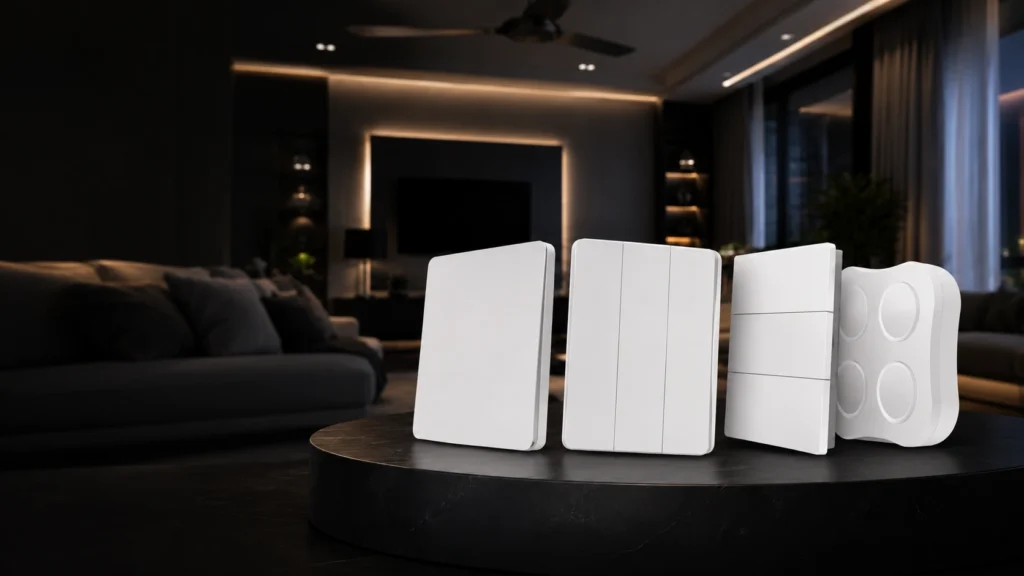
Wireless Smart Switches for Smart Lighting Control
Lighting is one of the most common applications of wireless automation.
Smart lighting allows users to:
- Control brightness
- Change lighting scenes
- Schedule lights
- Reduce energy consumption
Examples:
Reading Mode
Bright focused lighting.
Relax Mode
Soft warm lighting.
Movie Mode
Dim lights with entertainment settings.
Sleep Mode
Selected lights switch OFF automatically.
Wireless Smart Switch Installation Process
The installation process depends on the type of smart switch and automation system.
A professional installation generally follows these steps:
Step 1: Requirement Analysis
The automation expert understands:
- Number of rooms
- Devices to control
- User preferences
- Existing electrical setup
Step 2: System Planning
The right combination of:
- Wireless switches
- Controllers
- Sensors
- Touch panels
is selected.
Step 3: Device Installation
Wireless switches are installed and connected with the automation ecosystem.
Step 4: Configuration
The system is programmed according to user requirements.
Examples:
- Lighting schedules
- Automation scenes
- Remote controls
Step 5: Testing
All devices are tested to ensure:
- Reliable connection
- Proper operation
- User-friendly control
Cost of Wireless Smart Switches in India
The cost of wireless smart switches depends on various factors:
- Technology used
- Brand
- Features
- Number of switches required
- Automation level
- Installation requirements
Basic Wireless Automation
Suitable for:
- Single rooms
- Basic lighting control
- Simple smart upgrades
Advanced Smart Home Automation
Suitable for:
- Villas
- Premium apartments
- Complete home automation
Includes:
- Multiple switches
- Controllers
- Sensors
- Smart touch panels
- Security integration
Factors That Affect Pricing
1. Communication Technology
Wi-Fi, Zigbee, and RF-based solutions have different pricing depending on features and scalability.
2. Number of Devices
A complete smart home requires multiple connected devices.
3. Automation Requirements
Additional features such as:
- Voice control
- Sensors
- Scenes
- Security integration
can influence overall cost.
4. Installation Support
Professional installation ensures better performance and reliability.
How to Choose the Right Wireless Smart Switch?
Before selecting a wireless smart switch, consider the following factors:
1. Check Compatibility
Ensure the switch works with your existing smart home ecosystem.
Consider:
- Controllers
- Touch panels
- Mobile apps
- Voice assistants
2. Choose the Right Technology
Wi-Fi
Best for:
- Basic home automation
- Smaller projects
Zigbee
Best for:
- Professional smart homes
- Multiple devices
- Reliable networks
RF
Best for:
- Flexible retrofit solutions
3. Consider Future Expansion
A good smart home system should allow additional devices later.
Example:
Current:
Lighting automation
Future:
- Security
- Curtains
- Sensors
- Appliances
4. Look for Quality and Support
Important factors:
- Product reliability
- Warranty
- Technical support
- Installation guidance
Choosing a trusted smart home provider ensures long-term performance.
Wireless Smart Switches and Smart Touch Panels: The Perfect Combination
Many modern smart homes combine wireless switches with smart touch panels.
They serve different purposes.
Smart Touch Panel
Best for:
- Central control
- Premium interiors
- Automation scenes
- Complete home management
Wireless Smart Switches
Best for:
- Flexible control locations
- Easy installation
- Additional control points
Together, they create a complete smart home experience.
Example:
A homeowner can:
- Control lights from a touch panel
- Use wireless switches near seating areas
- Manage everything through a mobile app
Future of Wireless Smart Switches in India
The future of home automation in India is moving towards intelligent, connected living spaces.
Wireless smart switches will continue growing because they offer:
1. Easy Smart Home Adoption
Homeowners can gradually upgrade their homes without major changes.
2. Artificial Intelligence Integration
Future systems will learn user habits and automatically adjust settings.
Example:
The home understands your daily routine and prepares the environment automatically.
3. Better Energy Management
Smart systems will provide:
- Usage monitoring
- Automated savings
- Efficient appliance management
4. Complete IoT Ecosystem
Future homes will connect:
- Lighting
- Security
- Appliances
- Climate systems
- Entertainment
into one intelligent network.
Why Choose Primezen Wireless Smart Switches for Home Automation?
Choosing the right wireless smart switch solution is an important decision because automation technology becomes an integral part of your daily lifestyle.
A reliable smart home solution should provide:
- Stable performance
- Easy operation
- Future expansion options
- Professional support
- Compatibility with modern smart devices
Primezen provides advanced smart home automation solutions designed for Indian homes, combining wireless smart switches, smart touch panels, controllers, sensors, and security solutions into one complete ecosystem.
Our focus is to help homeowners transform traditional spaces into intelligent, connected environments that provide better comfort, safety, and convenience.
Complete Wireless Home Automation Solutions
A truly smart home requires different devices working together seamlessly.
Primezen solutions help integrate:
Wireless Smart Switches
Flexible switching solutions designed for modern homes without complex wiring requirements.
Smart Touch Panels
Premium touchscreen interfaces for centralized control.
Smart Controllers
The brain of the automation system that connects and manages different devices.
Sensors
Intelligent devices that allow homes to respond automatically.
Security Solutions
Smart devices that improve safety and monitoring.
Together, these solutions create a complete smart home experience.
Designed for Modern Indian Homes
Indian homes have unique requirements based on:
- Different electrical layouts
- Apartment structures
- Villa designs
- Interior preferences
- Lifestyle needs
Primezen wireless smart switches are suitable for:
- New homes
- Existing apartments
- Renovation projects
- Luxury villas
- Offices
- Commercial spaces
Whether you want basic lighting automation or a complete smart home system, solutions can be customized according to your requirements.
Benefits of Choosing Primezen
Easy Upgrade Without Major Renovation
Wireless technology allows homeowners to introduce automation without significant electrical changes.
This makes smart home upgrades easier for:
- Existing apartments
- Renovation projects
- Rental-friendly installations
Reliable Smart Home Experience
A smart home should work smoothly every day.
Primezen focuses on:
- Stable connectivity
- Quality products
- User-friendly operation
- Professional installation support
Scalable Automation Solutions
Your smart home can grow according to your needs.
Start with:
- Smart lighting
Later add:
- Security systems
- Sensors
- Curtains
- Appliances
- Complete automation
Wireless Smart Switch Buying Checklist
Before purchasing wireless smart switches, consider these important points:
1. Identify Your Automation Goals
Decide what you want to automate:
- Lights
- Fans
- Appliances
- Curtains
- Security devices
2. Select Suitable Technology
Choose based on your project requirement:
Wi-Fi
Suitable for simple smart home setups.
Zigbee
Suitable for professional and scalable automation.
RF
Suitable for flexible retrofit applications.
3. Check Integration Options
Ensure compatibility with:
- Smart touch panels
- Controllers
- Mobile applications
- Voice assistants
4. Consider Professional Installation
Although wireless switches are easier to install, proper configuration ensures:
- Better performance
- Reliable connectivity
- Smooth operation
Frequently Asked Questions
1. What are wireless smart switches?
Wireless smart switches are intelligent switches that allow users to control lights, appliances, and devices without relying only on traditional wired controls. They communicate through wireless technologies such as Wi-Fi, Zigbee, or RF and can be controlled through apps, touch panels, or voice assistants.
2. Are wireless smart switches suitable for Indian homes?
Yes. Wireless smart switches are suitable for apartments, villas, independent houses, offices, and renovation projects in India. Their flexible installation makes them especially useful where homeowners want automation without major wiring modifications.
3. How do wireless smart switches work?
Wireless smart switches receive commands from smart controllers, mobile applications, touch panels, or voice assistants. The command is transferred through wireless communication technology, allowing the connected device to operate automatically.
4. What can be controlled using wireless smart switches?
Wireless smart switches can control:
- Lights
- Fans
- Appliances
- Decorative lighting
- Smart devices
When integrated with a complete automation system, they can also work with sensors and smart scenes.
5. Are wireless smart switches better than traditional switches?
Wireless smart switches provide additional features that traditional switches cannot offer, including remote control, automation, scheduling, voice control, and smart home integration. Traditional switches remain suitable for basic manual operation.
Conclusion
The future of home automation in India is becoming smarter, more connected, and more convenient. Wireless smart switches in India are playing an important role in this transformation by providing homeowners with flexible control, easy installation, and intelligent automation features.
Unlike traditional switches, wireless smart switches allow homes to adapt to modern lifestyles through:
✓ Remote control
✓ Smart scheduling
✓ Energy management
✓ Voice integration
✓ Automation scenes
✓ Future expansion
Whether you are upgrading an existing apartment, designing a luxury villa, or creating a smart office environment, wireless automation provides a practical path toward connected living.
With complete solutions including wireless smart switches, smart touch panels, controllers, and security devices, Primezen helps create intelligent spaces designed for the future.