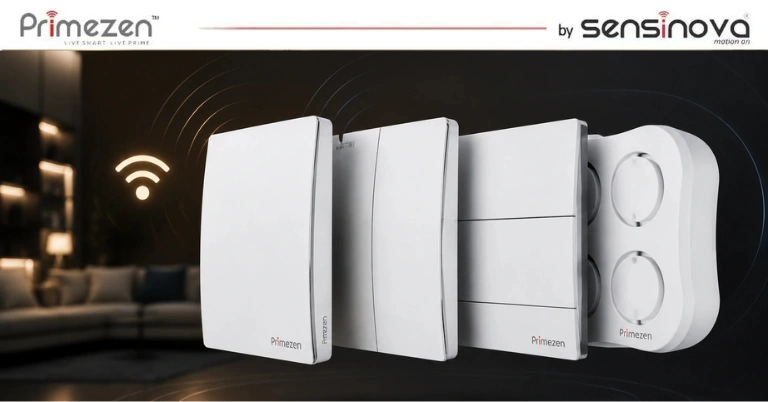
Introduction The way people interact with their homes is changing rapidly. Modern homeowners are moving beyond traditional electrical switches and adopting intelligent solutions that provide better comfort, convenience, and control. Wireless smart switches in India are becoming increasingly popular because they offer an easy way to automate homes without complicated wiring changes. These advanced switches allow users to control lights, appliances, and smart devices through mobile applications, voice commands, and automation systems. Unlike traditional switches that only provide manual ON/OFF control, wireless smart switches connect with smart home ecosystems to create a more convenient and connected living experience. The growth of smart home technology in India has increased demand for flexible automation solutions. Earlier, home automation was mainly considered suitable for luxury villas and premium properties. Today, wireless automation technology has made smart homes accessible for apartments, renovated homes, offices, and commercial spaces. With technologies such as Zigbee, Wi-Fi, and RF communication, homeowners can easily upgrade their existing spaces without major structural modifications. Wireless smart switches are becoming an important part of modern home automation because they combine: Easy installation Smart control Better flexibility Energy management Future expansion What Are Wireless Smart Switches? A wireless smart switch is an intelligent switching device that allows users to control electrical appliances and lighting without relying only on traditional wired connections. These switches communicate wirelessly with a smart controller, gateway, mobile application, or automation system. Users can control connected devices through: Smartphone applications Smart touch panels Voice assistants Automation schedules Smart scenes Traditional Switch vs Wireless Smart Switch Traditional switches require physical operation. For example: You walk to the switchboard → press the button → light turns ON. A wireless smart switch allows: Open mobile app → select device → light turns ON. Or: “Alexa, turn on bedroom lights.” The system performs the action automatically. How Do Wireless Smart Switches Work? Wireless smart switches work by communicating with other smart devices through wireless protocols. The basic process: User Command ↓ Mobile App / Touch Panel / Voice Assistant ↓ Smart Controller or Gateway ↓ Wireless Smart Switch ↓ Electrical Device Control Communication Technologies Used in Wireless Smart Switches Different wireless technologies are used depending on the automation requirement. 1. Wi-Fi Smart Switches Wi-Fi smart switches connect directly with home internet networks. Advantages: Easy setup Smartphone control Remote access Voice assistant compatibility Suitable for: Apartments Small homes Basic automation requirements 2. Zigbee Smart Switches Zigbee is one of the most preferred technologies for professional smart home automation. A Zigbee smart switch creates a reliable communication network between multiple smart devices. Advantages: Low power consumption Stable connection Supports multiple devices Better scalability Zigbee technology is commonly used in: Premium homes Villas Large automation projects 3. RF Wireless Switches Radio Frequency-based switches communicate using wireless signals. Benefits include: Easy installation No major wiring changes Flexible placement options They are useful for: Retrofit projects Renovation homes Additional switch locations Why Are Wireless Smart Switches Becoming Popular in India? The Indian smart home market is growing because homeowners are looking for solutions that improve lifestyle and convenience. Several factors are driving adoption: 1. Easy Installation One of the biggest advantages of wireless smart switches is easier installation compared to traditional wired automation systems. They are especially useful when: The house is already constructed Renovation work is limited Additional switches are required 2. No Major Wiring Changes Traditional automation systems may require extensive electrical modifications. Wireless solutions reduce this requirement. This makes them suitable for: Existing apartments Rental properties Renovation projects 3. Affordable Smart Home Upgrade Wireless smart switches allow homeowners to gradually upgrade their homes. Users can start with: One room Lighting automation Smart controls and expand later. 4. Growing Smart Home Awareness Indian consumers are becoming more familiar with: Smart speakers Connected devices IoT technology Home automation This awareness is increasing demand for intelligent switching solutions. Benefits of Wireless Smart Switches 1. Convenient Smart Control Wireless smart switches provide complete flexibility in controlling home devices. Users can manage: Lights Fans Appliances Decorative lighting from different control points. 2. Remote Access One of the biggest advantages is remote control. Example: Forgot to switch off lights? Simply open your smartphone application and turn them off remotely. 3. Smart Automation Scenes Wireless smart switches allow users to create customized routines. Examples: Morning Scene Bedroom lights ON Curtains open Appliances activate Evening Scene Garden lights ON Living room lighting adjusts Night Scene Selected lights OFF Security activates 4. Energy Saving Wireless smart switches improve energy efficiency through: Scheduling Automatic switching Smart sensors Usage control Example: Lights automatically turn OFF when nobody is present. 5. Better Interior Flexibility Wireless solutions provide more freedom during interior planning. They help avoid: Additional wiring Wall modifications Complex installation Wireless Smart Switches vs Traditional Switches: Which One Is Better? When upgrading a home, many homeowners compare wireless smart switches with traditional switches to understand which option provides better value. Traditional switches have been reliable for many years, but they offer only basic manual control. Wireless smart switches introduce automation, remote access, and intelligent control features that match modern lifestyles. Comparison Table Feature Wireless Smart Switches Traditional Switches Control Method App, voice, automation, manual Manual only Installation Flexible installation Fixed wiring required Remote Control Available Not available Automation Yes No Scheduling Yes No Voice Control Supported Not supported Energy Management Available Limited Smart Home Integration Yes No Future Expansion Easy Limited User Experience Intelligent Basic Why Wireless Smart Switches Are Better for Modern Homes Modern homes are becoming more connected. Homeowners now expect technology that can simplify daily activities and improve comfort. Wireless smart switches provide benefits that traditional switches cannot offer. 1. Flexible Installation One of the biggest advantages of wireless smart switches is installation flexibility. Traditional electrical systems require fixed wiring locations. Once construction is completed, adding new switches can become difficult and expensive. Wireless switches allow homeowners to: Add switches without major wiring changes Place controls where required Upgrade existing homes easily Modify automation layouts This makes them ideal for renovation projects and… Continue reading Wireless Smart Switches in India: The Future of Modern Home Automation
Category: Touch Switches
Smart Touch Panel vs Traditional Switches: Which One Is Better for Indian Homes?
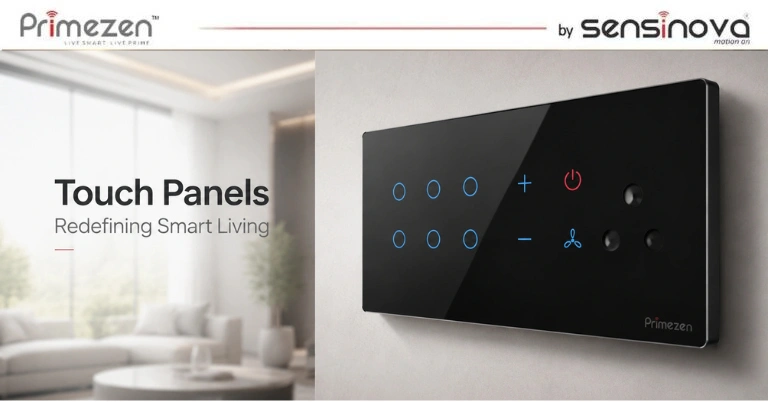
Introduction The way people interact with their homes is changing. For decades, traditional electrical switches have been the standard method of controlling lights, fans, and appliances. They are simple, reliable, and familiar. However, with the growth of smart home technology in India, homeowners are now looking for more intelligent solutions that provide better convenience, automation, and control. This has created an important question: Should you choose a smart touch panel or continue using traditional switches for your home? A smart touch panel offers advanced features such as centralized control, automation scenes, remote access, voice integration, and smart device connectivity. Traditional switches, on the other hand, provide basic manual control without automation capabilities. For homeowners building new properties, renovating existing homes, or designing luxury interiors, understanding the difference between these two technologies is essential before making an investment. The demand for smart home automation in India is increasing rapidly due to changing lifestyles, improved technology availability, and growing interest in connected living spaces. Modern homeowners want homes that are: More comfortable More secure Energy efficient Easier to manage Future-ready This is where smart touch panels and smart switch systems are becoming increasingly popular. What Are Traditional Electrical Switches? Traditional electrical switches are the conventional switches used in homes for controlling electrical devices manually. They operate through a simple mechanism where users physically press a button to turn devices ON or OFF. Common examples include: Light switches Fan regulators Socket switches Modular switches Traditional switches have been used in Indian homes for decades because they are: Affordable Easy to install Simple to operate Widely available However, their functionality is limited because they only provide manual control. Limitations of Traditional Switches While traditional switches are reliable, they lack advanced smart features. Some limitations include: 1. No Automation Traditional switches cannot automatically control devices based on time, activity, or user preferences. Example: A traditional switch cannot automatically turn off lights when nobody is in the room. 2. Multiple Switchboards Modern homes often have many electrical devices. This results in: Multiple switches Complex wiring Cluttered walls Large switchboards can affect interior aesthetics. 3. No Remote Control Traditional switches cannot be controlled when users are away from home. For example: You cannot turn on lights before reaching home. 4. Limited Energy Management Traditional switches provide no information about electricity usage or automation opportunities. What Is a Smart Touch Panel? A smart touch panel is an advanced touchscreen control system designed to manage multiple smart home devices from one interface. Instead of controlling devices individually through separate switches, users can manage their home through a centralized smart panel. A smart touch panel can control: Lights Fans Curtains Air conditioners Security systems Smart appliances Entertainment devices How Does a Smart Touch Panel Work? A smart touch panel works as part of a complete home automation ecosystem. The communication process is: User Command ↓ Smart Touch Panel ↓ Controller / Gateway ↓ Smart Devices ↓ Action Completed The panel communicates with connected devices using technologies such as: Wi-Fi Zigbee RF Wired automation protocols Smart Touch Panel vs Traditional Switches: Complete Comparison Feature Smart Touch Panel Traditional Switch Control Method Touchscreen Manual Button Design Premium Modern Look Basic Design Automation Yes No Remote Control Yes No Voice Control Yes No Smart Scenes Yes No Energy Management Available Limited Security Integration Possible Not Available Multiple Device Control Yes No Future Expansion Easy Limited Design and Aesthetic Difference Traditional Switches Traditional switches mainly focus on functionality. Although modern modular switches look better than older designs, they still require multiple switches installed together. This can create: Crowded walls More visible wiring Limited customization Smart Touch Panels Smart touch panels are designed to complement modern interiors. Benefits include: Minimal wall appearance Premium touchscreen interface Custom layouts Luxury appearance They are especially suitable for: Luxury apartments Villas Smart offices Premium interiors Convenience and User Experience Comparison The biggest difference between a smart touch panel and traditional switches is the level of convenience they provide. Traditional switches require users to manually operate each device separately. A smart touch panel creates a connected experience where multiple functions can be controlled from one place. Traditional Switch Experience With traditional switches: Each device requires separate control Users need to manually operate switches No automation is possible Multiple switchboards are required For example, entering a living room may require: Turning on the lights Adjusting the fan Closing curtains manually Operating entertainment devices separately Each action requires individual effort. Smart Touch Panel Experience A smart touch panel simplifies daily routines. With one touch, users can control multiple devices together. Example: Welcome Home Scene When you arrive home: Entrance lights turn ON Living room lights activate Curtains open Air conditioning starts Movie Mode One command can: Dim lights Close curtains Turn on entertainment systems Night Mode Before sleeping: Selected lights switch OFF Security sensors activate Bedroom environment adjusts This level of convenience is one of the biggest reasons homeowners are moving toward smart home automation systems. Automation Features Comparison Automation is where smart touch panels have a clear advantage over traditional switches. Traditional Switches Traditional switches only perform manual operations. They cannot: Schedule actions Create scenes Respond automatically Communicate with other devices Smart Touch Panels Smart touch panels allow homeowners to create intelligent automation routines. Common automation features include: 1. Scene Control Users can create customized scenes according to lifestyle needs. Examples: Morning Scene Lights gradually increase Curtains open Temperature adjusts Party Scene Decorative lights activate Music starts Main lighting changes Vacation Scene Security activates Selected lights operate automatically 2. Scheduling Smart touch panels can automate devices based on time. Examples: Outdoor lights turn ON at sunset Bedroom lights switch OFF at midnight Curtains open every morning This reduces manual effort. 3. Remote Access Many smart home systems allow users to control devices through smartphones. Examples: Turn lights ON before reaching home Check security status while travelling Control appliances remotely 4. Voice Control Integration Smart touch panels can integrate with voice assistants. Users can control devices through commands like: “Turn on… Continue reading Smart Touch Panel vs Traditional Switches: Which One Is Better for Indian Homes?
Smart Touch Panel for Home Automation in India: Complete Guide for Modern Homes
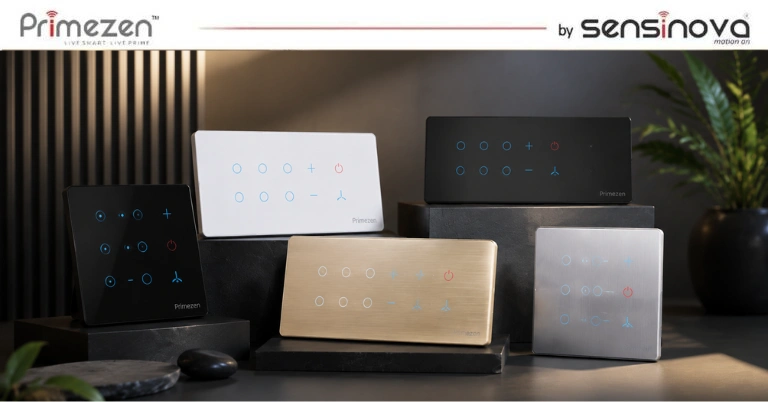
Introduction The way we interact with our homes is changing rapidly. Traditional switches are slowly being replaced by intelligent control systems that provide better convenience, security, and energy efficiency. A smart touch panel for home automation has become one of the most popular solutions for homeowners looking to create modern, connected living spaces. A smart touch panel allows users to control multiple devices such as lights, fans, curtains, air conditioners, security systems, and other smart appliances from a single elegant touchscreen interface. Unlike conventional switches that only perform basic ON/OFF functions, smart touch panels bring automation, customization, and intelligent control into everyday life. Home automation in India has experienced significant growth due to increasing awareness about smart living solutions and IoT-based technologies. Modern homeowners, architects, and interior designers are adopting smart switches, touch panels, sensors, and controllers to improve comfort and create future-ready homes. With advancements in wireless communication technologies like Wi-Fi, Zigbee, and RF, smart home solutions are becoming more accessible for apartments, villas, offices, and commercial spaces. A connected home is no longer limited to luxury properties. Today, smart automation solutions are becoming an important part of modern residential design. What is a Smart Touch Panel? A smart touch panel is an advanced wall-mounted touchscreen device that allows users to control different smart home functions from one central location. It works as the control centre of a smart home automation system by connecting multiple devices and allowing homeowners to manage them easily. For example, with a single touch, users can: Turn lights ON or OFF Adjust brightness levels Control fans and appliances Open or close curtains Activate security systems Create customized scenes Manage multiple rooms A traditional switch requires separate controls for different devices. However, a smart touch panel combines multiple functions into one intelligent interface. How is a Smart Touch Panel Different From Normal Switches? Traditional electrical switches have remained almost unchanged for decades. They perform simple functions but cannot communicate with other devices. A smart touch panel introduces intelligent features such as: Centralized Control Instead of managing multiple switches individually, homeowners can control several devices from one panel. Automation Scenes Users can create customized settings based on daily routines. Examples: Morning Mode Curtains open Bedroom lights turn on Coffee machine activates Movie Mode Lights dim Curtains close Entertainment system starts Away Mode Lights turn off Security activates Sensors start monitoring How Does a Smart Touch Panel Work? A smart touch panel works through communication between the panel, controller, and connected smart devices. The basic working process is: User Touch Input ↓ Smart Touch Panel ↓ Smart Controller / Gateway ↓ Connected Devices ↓ Action Completed When a user selects an option on the touchscreen, the command is sent to the smart controller. The controller communicates with connected devices and performs the required action. Communication Technologies Used in Smart Touch Panels Modern smart home systems use different communication technologies depending on the requirement. Wi-Fi Technology Wi-Fi-based systems are commonly used for easy installation and smartphone connectivity. Advantages: Easy setup Internet connectivity Smartphone control Zigbee Technology A Zigbee touch panel uses a low-power wireless communication protocol designed specifically for smart home applications. Benefits include: Stable connection Low energy consumption Better device communication Supports multiple smart devices Zigbee is widely preferred for professional home automation projects because of its reliability. RF Technology Radio Frequency communication allows devices to communicate wirelessly without depending on internet connectivity. It is commonly used for: Wireless switches Remote controls Sensors Components of a Smart Touch Panel System A complete smart home automation system includes multiple components working together. 1. Touch Panel Display The touchscreen interface allows users to control connected devices. Important features include: Responsive touch controls Modern design Custom layouts Scene selection Room-wise control 2. Smart Controller The controller acts as the brain of the automation system. It receives commands from the touch panel and communicates with connected devices. The controller manages: Lighting automation Security devices Sensors Appliances Smart scenes 3. Sensors Sensors make homes more intelligent. Examples: Motion sensors Door sensors Temperature sensors Light sensors They allow automation systems to respond automatically. 4. Smart Devices These include: Smart lights Smart switches Curtain controllers Security systems Smart appliances Together, these devices create a complete connected ecosystem. Benefits of Smart Touch Panels for Modern Homes 1. Elegant and Premium Home Design One of the biggest advantages of smart touch panels is their modern appearance. Traditional switches can make walls look cluttered, especially when multiple switches are required. Smart touch panels provide: Minimal design Premium finish Modern aesthetics Better interior appearance This makes them especially popular in luxury homes, villas, and premium apartments. 2. Complete Control From One Place Smart touch panels simplify daily activities by bringing multiple controls together. Instead of using separate switches, homeowners can manage: Lighting Fans Curtains Security Appliances from one central interface. 3. Improved Energy Efficiency Energy management has become one of the biggest advantages of smart home automation systems. A smart touch panel helps homeowners reduce unnecessary electricity usage by providing intelligent control over lighting and appliances. For example: Lights can automatically turn off when nobody is present. Brightness can be adjusted according to natural light. Devices can be scheduled according to daily routines. Energy-consuming appliances can be monitored and controlled. Smart lighting control helps create more energy-efficient homes while improving comfort. For modern Indian homes where electricity costs continue to increase, smart automation provides a practical solution for better energy management. 4. Enhanced Security and Safety Security is one of the primary reasons homeowners invest in smart home technology. A smart touch panel can integrate with multiple security devices, including: Smart door sensors Motion sensors Smart cameras Alarm systems Smart locks For example, when leaving home, users can activate an “Away Mode” that: Switches off unnecessary lights Activates security sensors Locks connected devices Monitors activity This provides homeowners with greater control and peace of mind. 5. Voice Control Integration Modern smart touch panels can work together with popular voice assistants, allowing users to control their homes through… Continue reading Smart Touch Panel for Home Automation in India: Complete Guide for Modern Homes
Home Automation Switches for Smart & Connected Living
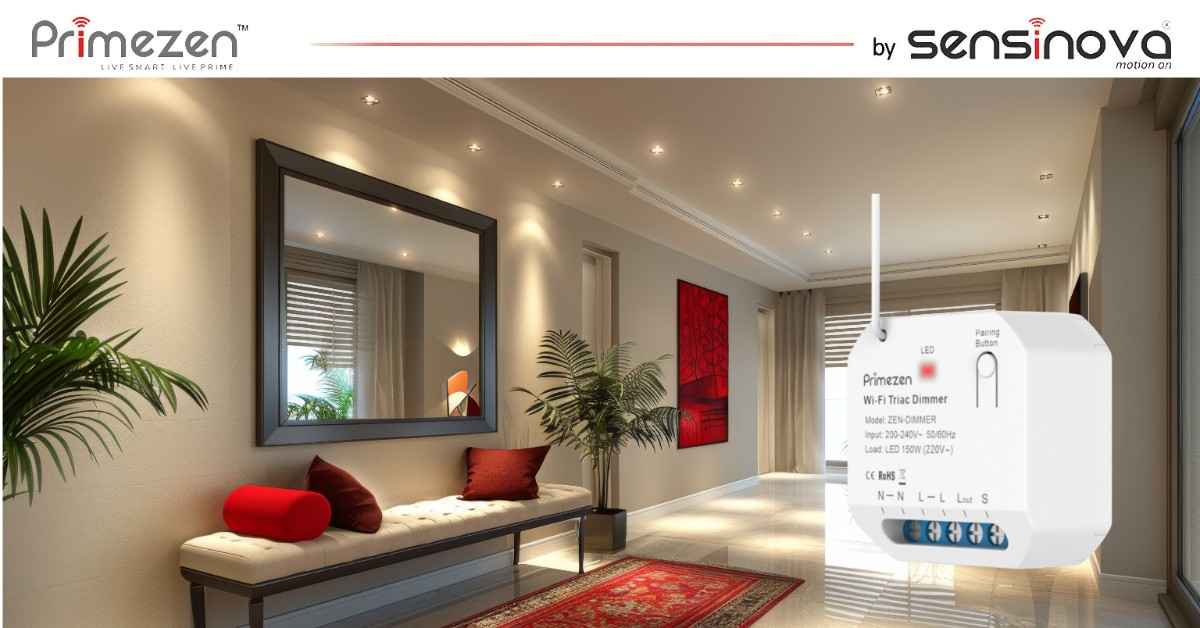
Home automation switches are rapidly transforming the way we control devices in our homes. With their ability to control lighting, appliances, and security systems remotely, these smart devices offer an unparalleled level of convenience and energy efficiency. In 2026, these switches have become a vital part of smart homes, making it easier for homeowners to automate everyday tasks. In this blog, we’ll explore the features and benefits of these devices, how they work, and what you need to know before upgrading your home. What Are Automation Switches? Explanation of Automation Switches and Their Functionality automation switches allow you to control various devices in your home through a centralized system. Whether it’s turning on lights, adjusting the thermostat, or securing doors, these systems offer control through apps, voice assistants, or even remote keypads. By integrating smart technology, these switches enable seamless operation of home systems, making your life easier and more efficient. Types of Switches (Smart, Voice-Controlled, App-Controlled) There are several types of switches you can use to automate your home: Smart switches that can be controlled through a smartphone or a smart hub. Voice-controlled switches compatible with systems like Amazon Alexa or Google Assistant for hands-free control. App-controlled switches that let you operate appliances remotely, even when you’re not home. Key Features of Automation Switches for Home Remote Control – Control Lights and Appliances from Anywhere One of the most popular features of automation switches is the ability to control your home’s devices from anywhere. Whether you’re at work or on vacation, you can turn off lights, manage appliances, or adjust temperature settings via your smartphone. Voice Activation – Integrating with Alexa, Google Assistant Many of these switches work seamlessly with voice assistants like Alexa and Google Assistant, allowing for hands-free operation. Whether you want to turn on the lights or activate security features, all you need to do is ask. Scheduling – Set Timers for Lights, Fans, and Appliances Automation switches also allow you to schedule your devices to turn on or off at specific times. For example, you can set your lights to turn on at sunset or program your air conditioner to cool the house just before you arrive home. Energy Efficiency – Reduce Energy Consumption and Utility Bills Another significant advantage of automation home switches is their ability to optimize energy use. By automating when devices are used and turning off appliances that aren’t needed, you can save money on your utility bills and reduce your carbon footprint. Benefits of Automation Switches for Home Convenience – Control All Your Home Devices from One App With automation home switches, you can manage all your home devices from a single app. This means you no longer need to juggle multiple remotes or manually turn off appliances. Everything can be controlled from your phone, offering you maximum convenience. Security – Set Automatic Lighting Schedules to Simulate Occupancy Another great feature is the ability to program lights to turn on and off at specific times, simulating occupancy when you’re not at home. This helps to keep your home secure by deterring potential burglars. Cost Savings – Optimize Energy Usage with Timers and Remote Control By automating your home’s lighting, temperature, and appliances, automation switches for home help you use energy more efficiently, leading to significant cost savings over time. The ability to control devices remotely or set specific schedules ensures that you’re never wasting energy. How to Choose the Right Automation Switches for home Factors to Consider Compatibility with Existing Devices, Range, Battery Life When selecting automation switches, it’s important to consider their compatibility with your existing devices, such as thermostats, lights, and security systems. Look for switches that are easy to integrate with your current setup. Additionally, check the range of the switches to ensure they can communicate effectively with all the devices you want to control. Recommended Brands for 2026 Some of the top brands in the automation switches market include Primezen, known for their Zen Smart Switches. These switches are designed for seamless integration with a variety of home automation systems, offering ease of use, reliability, and efficiency. How to Install Automation Switches Easy Installation Process (DIY vs Professional) Installing automation switches can be simple, especially for those with basic technical skills. Many switches are designed for DIY installation, while others may require professional installation to ensure that they are properly connected to your electrical system. If you’re unsure about installation, you can always consult with experts like PrimeZen to ensure a smooth process. Integration with Smart Home Systems After installation, it’s important to integrate your automation switches with your existing smart home systems. Many of these devices work with popular platforms like Alexa, Google Home, and Apple HomeKit, allowing for easy control of your home’s systems from one central platform. Benefits of Automation Switches Automation switches offer a multitude of benefits, including enhanced convenience, improved security, and energy savings. They are an essential part of any smart home, providing seamless control over your home’s devices. Whether you’re looking to save on energy bills or enhance your home’s security, automation switches are a smart investment. Start upgrading your home today with automation switches that provide convenience, security, and energy efficiency. To learn more about Primezen’s smart solutions, visit Primezen Transform your home with smart switch solutions made for connected lifestyles Today!
Easy Home Automation for Existing Residential Spaces
Have you ever scrolled through social media and felt a pang of envy seeing those incredible smart homes that seem to operate themselves? You might have thought, “That’s amazing, but my home is an existing residential space, not a new build. I can’t do that without tearing down walls.” Well, think again. The world of home automation in India has undergone a dramatic evolution, ushering in a new era of effortless smart living. Thanks to innovative touch switch board for Indian modern apartment, you no longer need to undertake a messy, expensive renovation to make your home intelligent. The answer lies in retrofit, or wireless, automation solutions that fit seamlessly into your existing living space. This is especially true for residents in bustling metro cities like Mumbai, Delhi, Bengaluru, and Chennai, where time and space are precious commodities. The Power of Retrofit Smart Touch Switch Board The core of this revolution is a range of incredible home automation products that are designed to be installed without any major structural changes. They work by fitting behind your existing switchboards, connecting to your Wi-Fi, and giving you an entirely new way to control your home. For the modern urban dweller in a fast-paced city, this means no need to deal with noisy, dusty, and time-consuming renovations. One of the most powerful examples of this technology is a product like the Primezen Zen Touch Switch. It is the perfect entry point into a modern, connected lifestyle. By simply replacing your traditional switches, you gain a powerful control centre that connects to a world of possibilities. You get to keep your current wiring, and your home décor remains untouched. It’s a win-win. Complete Home Automation at Your Fingertips What does this technology really mean for your day-to-day life? The applications are as vast and varied as your needs. Imagine this, whether you are in your apartment in Gurugram or a flat in Pune: A Seamless Welcome: As you arrive home after a long day, your living room lights can automatically turn on to a soft, relaxing glow. No more fumbling for switches in the dark. The Perfect Mood: Hosting a movie night? With a single command on your smartphone or a voice command to your smart assistant, you can dim the lights, switch on the entertainment system, and set the perfect mood without ever leaving the sofa. Safety and Security: Have you ever left for vacation and worried that you forgot to turn off a light or an appliance? With a wireless solution, you can check the status of every device from your phone, regardless of your location. You can even set up “make-believe occupancy” scenes that turn lights on and off remotely to deter potential intruders. This is a true, complete home automation experience. It is about simplifying your life, boosting your security, and saving money on your utility bills. Why These Home Automation Solutions Are the Future This new wave of easy-to-install smart technology is a game-changer. It breaks down the barriers of cost and complexity that once made home automation a luxury for a select few. Now, anyone with an existing apartment or home can enjoy the comfort, convenience, and peace of mind that comes with a truly intelligent living space. This makes it the ideal solution for the high-density populations in cities like Hyderabad and Kolkata, where convenience is paramount. This innovative touch switch board is designed for the modern Indian home, fitting neatly into existing electrical setups and built to handle local conditions. The ease of use, coupled with the immense flexibility of controlling every aspect of your home from a single app, makes this a smart investment in your quality of life. By selecting the right home automation solutions from reputable companies, you are not just purchasing a product; you are investing in a seamless, secure, and sustainable future for your home. Ready to experience the blend of tradition and technology? Take the first step toward modern living with easy home automation solutions from India’s best brand – Primezen India. Enhance looks, comfort, and style instantly without major changes or hassles. Contact Us Today and Turn Every Corner of Your Home Into a Smart Masterpiece. FAQ’s What makes a smart touch switch board ideal for Indian apartments? Touch switch boards designed for Indian homes offer modular installation, water resistance, and custom designs that match diverse interiors while fulfilling practical needs through easy control and maintenance. Do I need to completely rewire my home to install a smart switchboard? No, most smart switches on the market today are designed for easy retrofit installation. They can replace existing switches without major rewiring, making the upgrade process simple and hassle-free for any apartment dweller. Are these switches safe for children and elderly people? Absolutely. Smart switches are designed to be user-friendly and often feature advanced safety features, such as shockproof technology. The single touch or voice control functions reduce physical strain, making them safe and convenient for all family members. Can I automate only certain rooms or devices in my apartment? Yes. These systems are highly scalable, allowing you to start by automating just one or two rooms and expand gradually. You can customize which lights, fans, or appliances you want to control based on your needs.
Applications of Touch Switch Boards in Modern Indian Apartments
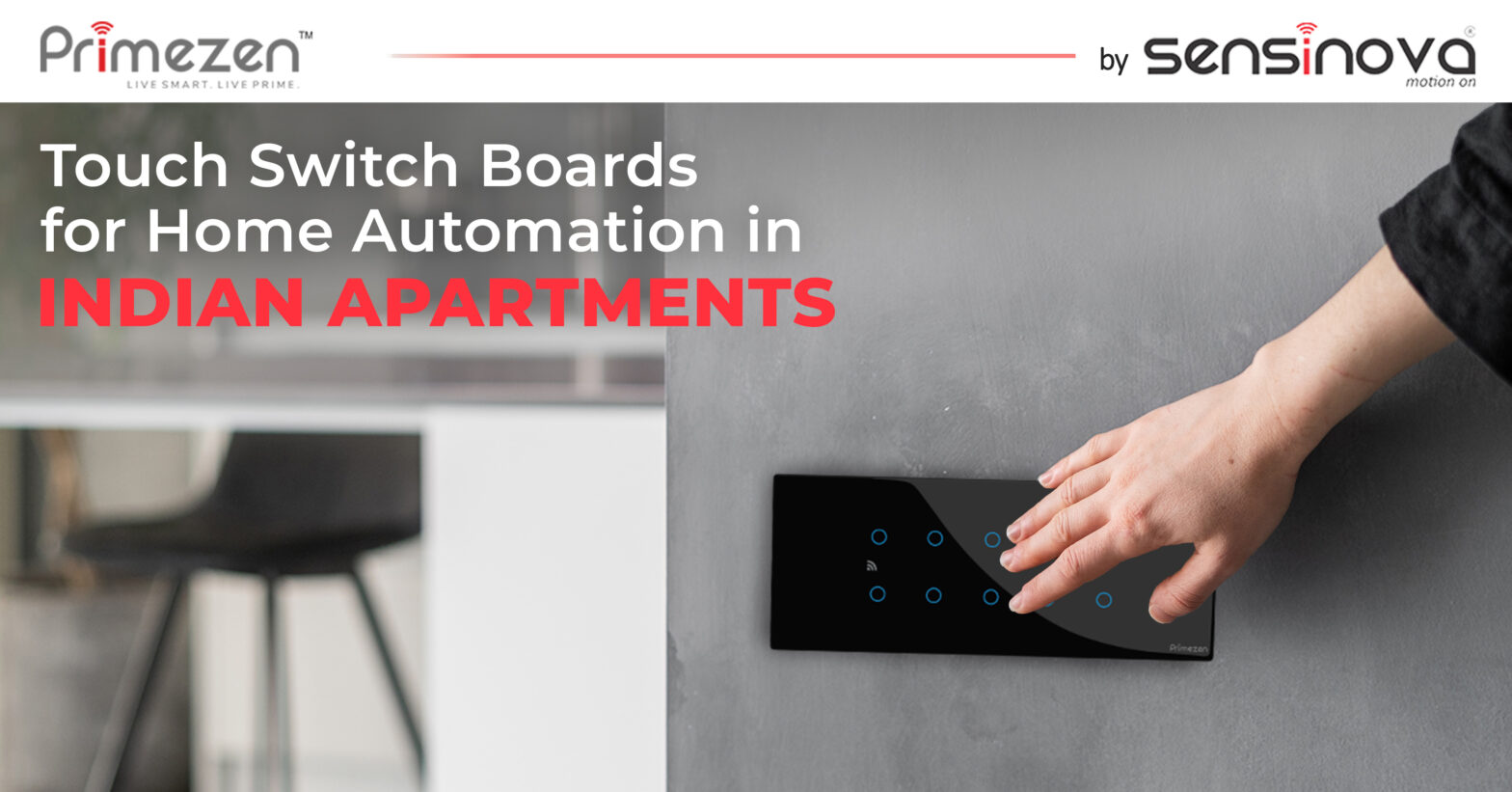
The modern Indian apartment is no longer just a place to live; it is a dynamic space that balances comfort, convenience, and a desire for a lifestyle that keeps pace with a rapidly evolving world. In this context, the desire for a home that is both beautiful and intelligent has become a driving force for many urban families. This shift is where one innovative technology has come to stand out: the touch switch board. It represents a powerful fusion of sleek design and cutting-edge functionality, bringing a new era of convenience and control to every corner of your home. Why Touch Switch Boards Are Revolutionising Apartment Living A touch switch board is a sophisticated, intelligent replacement for traditional mechanical switches. Unlike the conventional switches that rely on physical pressure, these modern panels respond to the lightest touch, creating an intuitive and premium user experience. Their surfaces are typically made of durable, scratch-resistant tempered glass, providing a minimalist and refined aesthetic that complements both contemporary and traditional decor. The functionality extends far beyond a simple touch. These advanced devices can connect to a home’s digital ecosystem through WiFi or Bluetooth, enabling a range of control options. You can use a gentle touch on the panel itself, or take advantage of a mobile app for remote access. For the ultimate in convenience, they also integrate with popular voice assistants like Amazon Alexa and Google Assistant, allowing for hands-free command of your lights and appliances. This multifaceted control system is the foundation of a modern, responsive living space. The Unbeatable Advantages: Why Now is the Time to Upgrade Beyond their practical applications, upgrading to a smart touch switchboard for the home brings a host of compelling advantages that make it a lifestyle and financial investment. Modern Aesthetics and Design: The sleek, glass-based design of a touch switchboard instantly elevates the look of your interiors. It replaces cluttered walls with a streamlined, minimalist interface that enhances the overall decor of your home. Effortless Convenience for All: From children to the elderly, the intuitive touch or voice controls make these switches easy to operate for everyone in the family. This accessibility reduces physical strain and enhances comfort, making daily routines effortless. Enhanced Safety and Durability: The absence of mechanical parts and the use of durable materials like tempered glass mean these switches are built to last. They incorporate multiple safety layers to provide complete protection against electrical accidents and sparks, a significant upgrade over traditional switches. Energy Efficiency and Long-Term Value: The ability to schedule device usage and monitor power consumption patterns from your phone helps you identify energy waste and optimise usage. This leads to noticeable savings on your monthly electricity bills, making your initial investment a cost-effective choice in the long run. Investing in smart home technology also increases your home’s value, making it a sound long-term decision. A Smart Investment for a Smarter Lifestyle The rise of the smart home is not a fleeting trend but a fundamental shift towards a more connected and efficient way of living. A smart switchboard acts as a central hub, bringing together convenience, security, and elegance in a single device. The market in India offers a range of options that are proudly made in India and designed for easy retrofit installation, meaning you can upgrade your existing switchboards without any complicated rewiring. This makes the transition to a smarter home easier than ever before. Modern Indian apartments deserve technology that matches their energy, style, and aspirations. Upgrade your apartment with touch switch boards to enjoy unparalleled comfort, security, and sophistication. A small change in your electrical setup can make a big impact on your daily ease, energy savings, and future home value. Invest in Smart Switchboards Today and Experience the Next Level of Apartment Living. FAQ’s What makes a smart touch switch board ideal for Indian apartments? Touch switch boards designed for Indian homes offer modular installation, water resistance, and custom designs that match diverse interiors while fulfilling practical needs through easy control and maintenance. Do I need to completely rewire my home to install a smart switchboard? No, most smart switches on the market today are designed for easy retrofit installation. They can replace existing switches without major rewiring, making the upgrade process simple and hassle-free for any apartment dweller. Are these switches safe for children and elderly people? Absolutely. Smart switches are designed to be user-friendly and often feature advanced safety features, such as shockproof technology. The single touch or voice control functions reduce physical strain, making them safe and convenient for all family members. Can I automate only certain rooms or devices in my apartment? Yes. These systems are highly scalable, allowing you to start by automating just one or two rooms and expand gradually. You can customize which lights, fans, or appliances you want to control based on your needs.
How to Automate Your Curtains with a Smart Curtain Controller
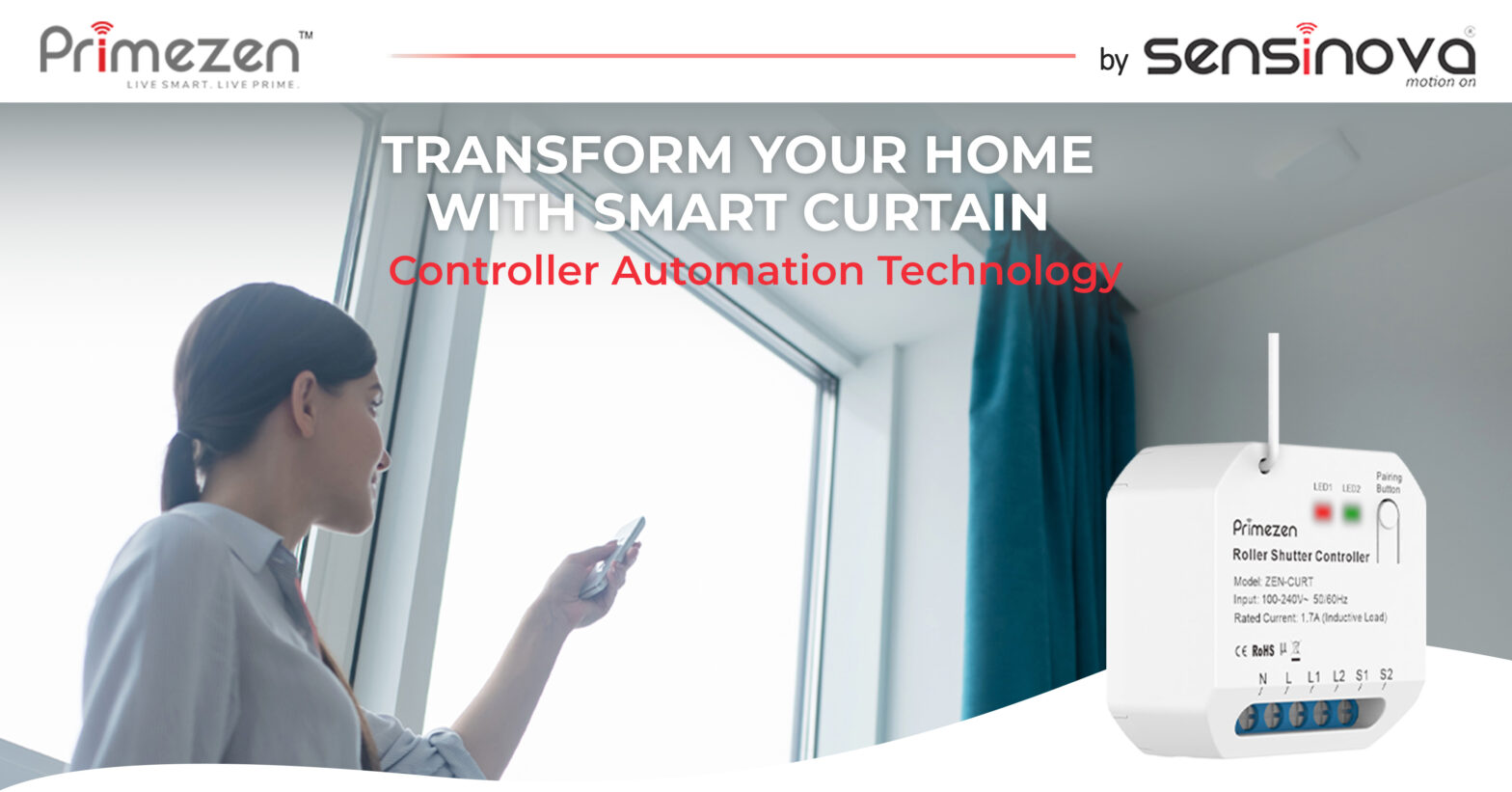
Imagine waking up to the gentle embrace of natural sunlight filtering through your windows, without ever having to leave the warmth of your bed. Or, picture this: as you settle in for a movie night, the curtains close silently and automatically with a single voice command, setting the perfect mood. This is not a scene from a futuristic film; it is the reality of living in a smart home, made possible by a simple yet powerful device known as a smart curtain controller. Transform your living space into a modern haven of convenience with smart curtain controller technology. This innovative home automation solution brings effortless window treatment control to your fingertips, making your daily routines smoother while enhancing energy efficiency and security. What Is a Smart Curtain Controller? A smart curtain controller transforms standard curtains into an automated system that can be effortlessly managed from anywhere. It works by integrating with a motorised track system, acting as the brain that receives your commands and executes them with precision. The core purpose of this intelligent device is to provide you with complete control over your home’s ambience and privacy. The technology connects through Wi-Fi or smart home hubs, allowing you to control your curtains via smartphone apps, voice commands, or automated schedules. Primezen Zen Curt Curtain Controller For those looking to upgrade their home, the Zen Curt curtain controller is the quintessential choice. It is a comprehensive solution that brings unmatched convenience to your living space. The system is designed to seamlessly integrate with your existing lifestyle. With its remarkable touch-and-go feature, a gentle pull on the fabric is all it takes to activate the motor and have the curtains open or close on their own. This hybrid functionality is perfect for those moments when reaching for a phone or using a voice command is simply less convenient. The system can be operated not only via an intuitive mobile application but also through voice assistants or a dedicated remote control, allowing you to manage your curtains from anywhere in the world. Key Benefits of Curtain Automation ✅ Enhanced Convenience and Accessibility Curtain automation eliminates the daily hassle of manually adjusting window treatments. With simple voice commands or smartphone controls, you can operate your curtains from anywhere in your home or remotely when away. This proves especially beneficial for hard-to-reach windows, elderly individuals, or anyone with mobility challenges. The technology supports preset positions, allowing you to set quarter, half, or three-quarter opening positions for perfect light control. ✅ Superior Energy Efficiency Smart curtains significantly improve your home’s energy efficiency by optimizing natural light usage. During winter months, automated curtains can open during sunny periods to capture solar heat, reducing heating costs. In summer, they close during peak sunlight hours to maintain cooler indoor temperatures and lower air conditioning expenses. This intelligent light management can decrease energy consumption and reduce electricity bills while minimizing your carbon footprint. ✅ Engineered for Versatility and Reliability It can accommodate a wide range of track types, including straight, curved, and L-shaped tracks, and can be installed on both ceilings and walls, making it an ideal fit for nearly any home or architectural design. For larger spaces or dual curtain setups, the system allows for the independent control of two tracks with a single controller, offering a streamlined and powerful solution for even the most complex window arrangements. With its reliable offline scheduling and ability to stop curtains at custom positions, it provides peace of mind and consistent performance. Modern curtain controllers run quietly and blend into your decor. The motor unit hides behind your curtain or track, so your interior style stays unchanged. It’s just smarter now. How to Set Up an Automatic Curtain Opener (Step by Step) You don’t need to be a tech expert to install a smart curtain controller. Setup is usually straightforward. Here’s how to automate your curtains in a few easy steps: Choose the Right Controller: Select a smart curtain controller that matches your curtain type (rod or track) and can support its weight. Most controllers work with standard window setups. Mount the Device: Attach the controller to your rod or track following the product instructions. It typically clips on in minutes with minimal tools. Power and Connect: Plug in the device (or insert batteries if needed), then download the controller’s mobile app. Use the app to connect the device to your WiFi or smart home hub by following the on-screen instructions. Calibrate and Test: Set the open and closed positions in the app so the controller knows how far to move your curtains. Next, test it by opening and closing the curtains using the app to ensure everything runs smoothly and stops at the right spots. Automate and Integrate: Program a daily schedule for your curtains to open and close at set times. If you like, connect the controller with a voice assistant like Alexa, Google Assistant, or Siri for hands-free voice control. Transform Your Home Today The Zen Curt smart curtain controller offers the perfect blend of innovation, reliability, and user-friendly operation to elevate your home’s comfort and efficiency. With professional installation support and comprehensive smart home integration capabilities, you can transform your living space into a modern, intelligent environment that anticipates your needs and enhances your daily life. Don’t let manual curtain operation hold you back from experiencing the future of home automation. Invest in smart curtain technology today and discover how effortless window control can revolutionize your home experience. Ready to experience the luxury and convenience of automated curtains? FAQ’s Can I use a smart curtain controller with my existing curtains? Yes. Smart curtain controllers are designed to work with most standard curtain rods or tracks. You simply attach the device to your current curtains. There’s no need to buy new drapes – the controller will motorize the curtains you already have. Can I still operate the curtains manually after automation? Yes, most high-quality controllers feature a touch-and-go capability. This allows you to manually pull the curtains… Continue reading How to Automate Your Curtains with a Smart Curtain Controller
Why Touch Switch in India is Gaining Popularity for Smart Homes
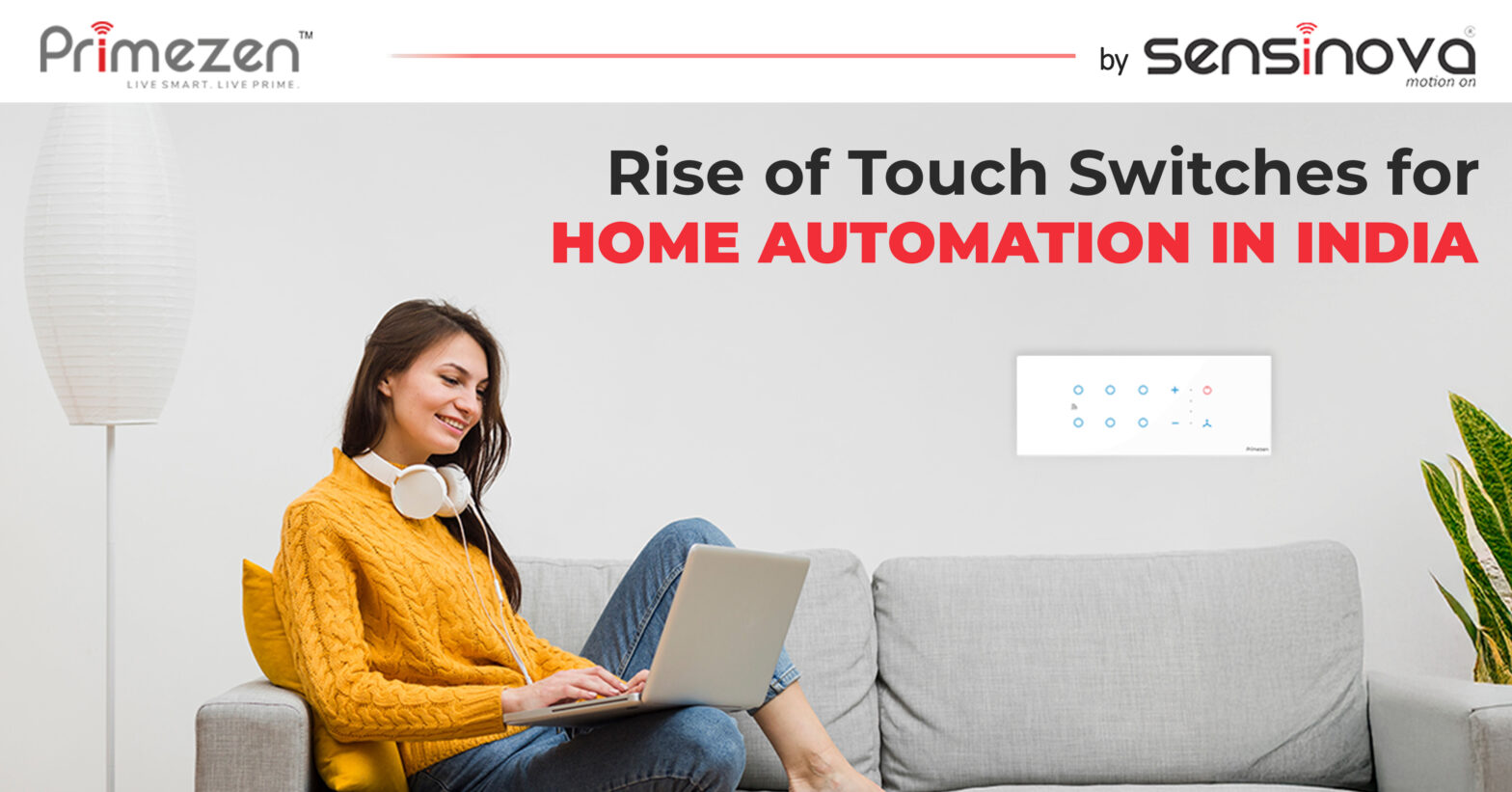
The rhythm of modern life in India is accelerating, and with it, the expectations for our living spaces are evolving. Homes are no longer just places to reside; they are dynamic ecosystems that reflect our aspirations for comfort, convenience, and style. At the heart of this transformation lies a quiet but powerful change: the switch. While once a utilitarian necessity, the humble electrical switch is now a centrepiece of home automation, and the rising popularity of the touch switches for home in India is a testament to this profound shift. The Aesthetics of Smart Living with Touch Switches for Home The first thing that captivates a homeowner about a smart touch switch is its striking visual appeal. Gone are the days of bulky, plastic switches that accumulate grime and stains. In their place are sleek, glass-like panels that respond to a gentle touch, creating a sophisticated look that seamlessly complements both contemporary and traditional Indian interiors. This is not merely a cosmetic upgrade; it’s a design choice that adds a touch of luxury and modernity, instantly elevating the aesthetic value of a home. Beyond aesthetics, this design addresses a unique need in Indian households. The sealed, smooth surface of these switches prevents the accumulation of dust, oil, or spices, making them significantly more hygienic than traditional switches. This is a powerful benefit, particularly for high-moisture environments like kitchens and bathrooms, where the panels perform flawlessly even with wet hands. This focus on a clean, hygienic surface demonstrates a product design that is deeply empathetic to the daily routines and specific environmental conditions of the Indian consumer. The functionality is married to a highly relatable and compelling practical benefit. Effortless Control and Unmatched Convenience Convenience is the cornerstone of any smart home upgrade, and the appeal of touch switches is rooted in the unparalleled ease of use they provide. Imagine adjusting the fan speed or dimming the lights from the comfort of your sofa or bed without having to get up. Remote control switches make this a reality, providing effortless control that is particularly beneficial for the elderly or those with mobility issues, fostering a sense of independence and comfort within the home. The power of these devices extends far beyond a simple remote. When integrated into a smart home automation touch switch setup via a home’s Wi-Fi network, control shifts to your fingertips. A simple smartphone app or a voice command to a smart assistant allows you to manage the entire home’s electronics from anywhere. This versatility is a game-changer, offering the ability to turn off lights in a different room or manage outdoor lights from the comfort of your study. This seamless integration turns a simple switch into a central hub of convenience and control. Built to Last: Durability and Safety First For a new technology to gain widespread trust, it must demonstrate not just convenience, but also reliability and safety. The popularity of touch switches for the home is buoyed by their robust construction and advanced safety features. Many high-quality touch switches operate on a low voltage, which significantly lowers the risk of electric shock, making them a much safer option for homes with children and pets. Furthermore, built-in thermistors provide overheat protection, automatically cutting off power to prevent potential fire hazards. Durability is another key factor. These switches are built with high-grade materials like tempered glass or acrylic, which are highly resistant to daily wear and tear and can last for over five years without significant degradation. They are also designed to withstand environmental challenges. Their resistance to water and dust, often indicated by an IP rating, makes them suitable for humid or spill-prone areas and for enduring India’s monsoon season. This focus on safety and longevity is what transforms the product from a novel gadget into a reliable, long-term fixture of a modern home, directly addressing any latent consumer concerns about new electrical technology. A Prudent and Worthwhile Investment While the initial cost of a smart touch switch may be higher than a conventional one, the long-term benefits make it a truly worthwhile investment. These switches contribute to significant energy savings. Precise control over dimming and fan speed prevents energy waste, and the ability to remotely switch off forgotten appliances from another room reduces electricity consumption and lowers bills. This financial prudence is a key driver for a market that values not just aspirational living but also fiscal responsibility. Over time, the durability and timeless design of these switches also add to a property’s value, offering a compelling return on investment. A Look at the Primezen Zen Touch Panels Products like the Primezen Zen Touch Panels are a perfect case study in the success of this technology. They embody all the key benefits that are driving the market. The panels fit seamlessly into standard Indian electrical boxes, which makes installation straightforward for a qualified electrician without any special wiring requirements. With their focus on reliability, elegant design, and seamless integration, they stand as a prime example of why this technology is not just popular but a genuine game-changer for smart homes in India. Ready to Experience the Future of Your Home? The shift to touch switches is more than a technological upgrade; it is a choice for a smarter, safer, and more elegant way of living. By enhancing convenience and control while offering superior safety and design, they are a powerful step towards building the home of the future. Transform your living space and unlock the potential of true smart living. Explore the range of advanced and elegant touch solutions available today. FAQ’s Are touch switches safe to use with wet hands in Indian homes? Yes, modern smart touch switches incorporate advanced shockproof technology, providing complete protection against electrical accidents. Even with wet hands, these switches are completely safe to operate, making them ideal for use in Indian kitchens and bathrooms during the monsoon season. Can touch switches work with voice assistants or apps? Yes. Many smart touch switches connect to your home WiFi and… Continue reading Why Touch Switch in India is Gaining Popularity for Smart Homes
Smart Ideas for Automating a 2BHK Apartment in India
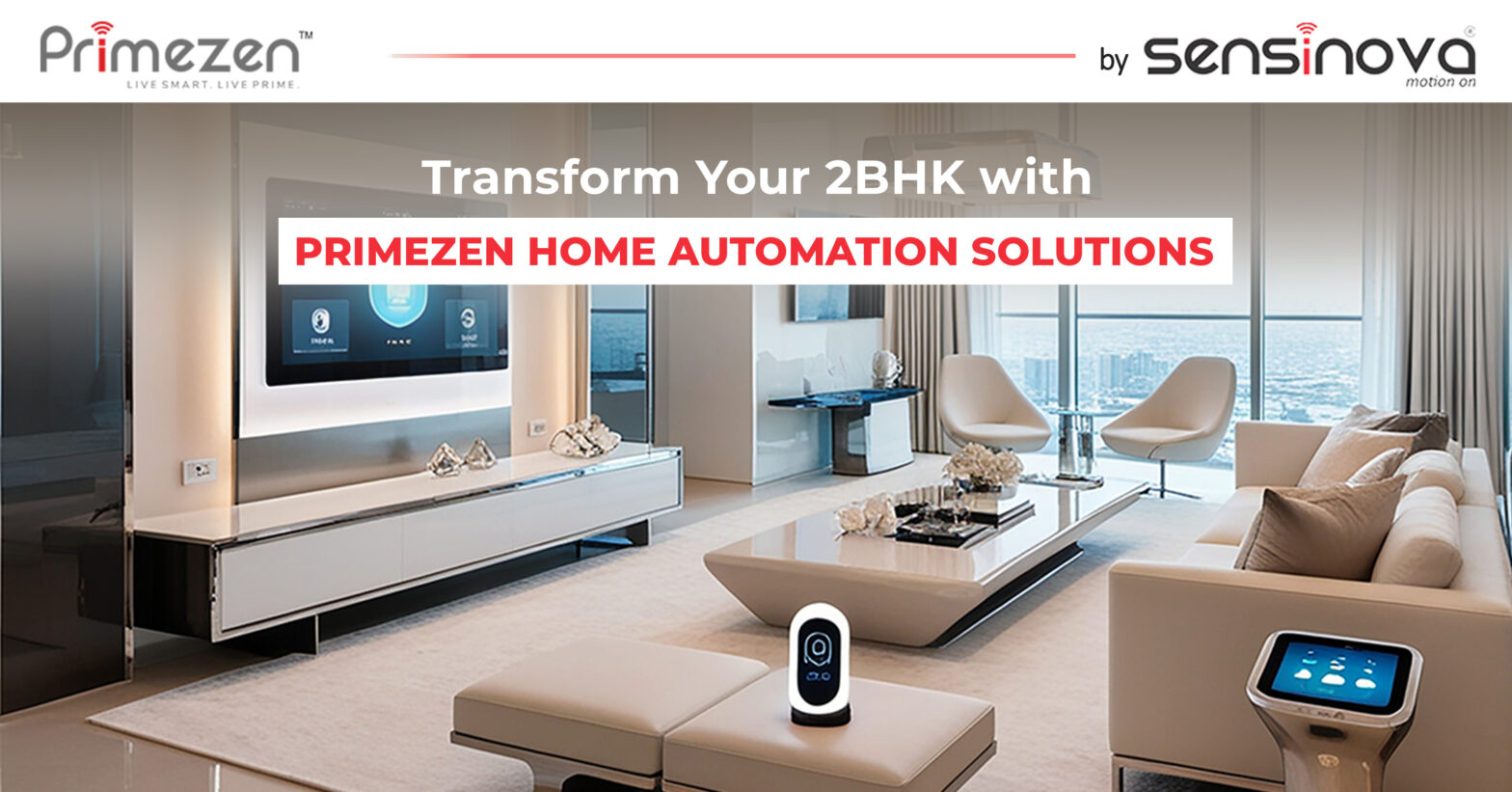
Living in a 2BHK apartment in India often means finding the right balance between comfort, convenience, and style. Families today are looking for ways to make their homes not only beautiful but also intelligent. This is where smart home switches play a vital role. With a single touch or voice command, everyday living transforms into a seamless experience. Why Automate a 2BHK Apartment with Smart Home Switches For most urban Indian families, a 2BHK apartment is a practical choice. It accommodates working professionals, couples, and growing families comfortably. Automating such a home enhances its value in many ways: Convenience: Control lighting, fans, and appliances without moving around. Safety: Parents and elderly family members can easily manage devices without physical strain. Aesthetics: Sleek touch switches for the home add elegance to interiors. Savings: Home automation switches help reduce energy bills by scheduling usage smartly. Automation is not just about luxury; it is about creating a lifestyle that is pocket-friendly Smart Ideas for Every Room in a 2BHK 1. Living Room The heart of any apartment deserves attention. Imagine walking in and with one tap, the lights dim, the curtains close, and the TV switches on for a family movie night. Switches for home automation can easily create such scenes, making everyday routines special. 2. Bedrooms For parents or elderly members, convenience matters most. Smart switches for home automation allow control from the bedside, reducing the need to walk around. Young professionals love the idea of scheduling lights to turn off at midnight, ensuring restful sleep. 3. Kitchen Cooking becomes easier when lights, exhaust, and small appliances are controlled with WiFi switches for home. Safety improves, too, as devices can be monitored and turned off remotely if left on by mistake. 4. Bathrooms Even bathrooms benefit from automation. Touch panels can control geysers, ventilation fans, and mood lights, making mornings refreshing and evenings relaxing. Why Choose Primezen Smart Home Switches Primezen has designed solutions keeping Indian homes in mind. The Zen Touch Panels blend aesthetics with advanced functionality. They replace traditional switches with stylish glass panels that are responsive, durable, and easy to install. Elegant design that matches modern interiors. One panel for multiple functions. Energy efficiency through scheduled usage. Easy integration with voice assistants. If you are looking for the best smart switches in India, Primezen is a trusted name because it combines technology with design that fits Indian apartments perfectly. The Best Value Offered: For families, a smart home means more than just gadgets. It is about: Parents feel secure that lights and fans can be controlled effortlessly. Children enjoy playful features like colourful lighting scenes. Working couples save time and energy by automating daily routines. Financial savings from efficient energy use and reduced wastage. The joy of comfort combined with long-term savings makes automation one of the smartest investments for a 2BHK apartment. Automation is no longer exclusive to luxury villas. A 2BHK apartment in India can be just as smart, stylish, and efficient with Primezen. From living room moods to kitchen safety, smart home switches bring convenience, beauty, and value to everyday living. Explore Primezen Zen Touch Panels and Automate Your Home With Elegance FAQ’s Can I automate only a few rooms in my 2BHK apartment? Yes, you can start with one or two rooms and expand gradually. Primezen smart switches are scalable, making it easy to upgrade your home at your own pace. Are Primezen Zen Touch Panels easy to install? Yes, they are designed for quick replacement of existing switches without major rewiring. Professional support ensures safe and smooth installation. Do smart switches for home automation save money? ? Yes, automation reduces electricity wastage by scheduling usage, leading to noticeable savings on monthly energy bills. Over time, this makes smart switches a cost-effective investment. Are WiFi switches for home suitable for elderly people? Yes, they are user-friendly. Elderly members can operate lights and fans with a single touch or voice command, reducing physical strain and increasing comfort.
How to Get Started with Home Automation Solutions in India
Technology is reshaping the way we live. From controlling lights with a tap to managing security through a smartphone, home automation solutions are no longer futuristic; they are here. In India, the demand for a smart lifestyle is growing rapidly across metros and small cities alike. Families are looking for more convenience, safety, and energy efficiency. This is where Primezen technology steps in with advanced and reliable solutions that bring comfort to every home. Understanding Home Automation Solutions Home automation solutions are designed to connect everyday appliances and devices through smart controllers, switches, and sensors. Imagine waking up to curtains opening automatically and lights adjusting to natural daylight. A home automation system creates this seamless experience. India is witnessing a fast adoption of such technologies due to rising awareness about energy savings and modern living standards. Primezen, with its expertise in smart home automation, offers products that are intuitive, easy to use, and tailored for different lifestyles. Why India is Ready for Smart Home Automation The Indian market is now ready to embrace connected living. From millennials setting up their first homes to senior citizens looking for convenience and safety, the advantages appeal to every age group. Young professionals prefer voice-controlled gadgets that make life quick and efficient. Families enjoy centralized control of lighting, climate, and security. Elderly users benefit from simple touch or wireless switches that make daily living effortless. The awareness created by home automation companies in Mumbai, Bengaluru, and other cities has further expanded interest across the country. With brands like Primezen leading the way, home automation in India is moving from being a luxury to becoming a lifestyle necessity. Applications of Primezen Technology Primezen technology focuses on delivering easy integration and modern features that are suitable for every home. The applications include: Smart lighting control – Adjust brightness and ambiance with touch or voice. Curtain automation – Open or close curtains with just a command. Security integration – Monitor and control access points remotely. Energy efficiency – Reduce wastage through scheduled controls. Convenience and comfort – Control everything from one device or app. These home automation products are designed to work in harmony with your existing devices, making the transition smooth and cost-effective. Choosing the Right Home Automation Companies The next few years will see massive growth in smart home automation. Integration with AI assistants, IoT devices, and voice technology will become mainstream. The future promises homes that not only respond to commands but also anticipate needs. Primezen is already working towards these innovations, ensuring Indian homes remain at par with global standards. Getting started with home automation solutions in India is easier than ever. Whether you are upgrading your home or building a new one, Primezen provides technology that is reliable, efficient, and future-ready. From energy savings to enhanced security, the benefits are clear for all age groups. Transform your living space into a connected, intelligent, and secure home today. ANALOG DIMMER ZEN-1C10W ZEN-CURT ZEN-2C10W DRC